The Self-Published Author’s KDP Launch Day Checklist (2026)
In this guide
How to Set Up Amazon A+ Content for Your Book in Just a Few Minutes
Learn how to add Amazon A+ Content to your KDP listings — including comparison tables and image modules — and where to find a free tool that cuts the setup time significantly.
4 min readReadHow to Get Around the Amazon KDP Upload Limit of 10
Amazon's 10-book upload limit applies per format, meaning authors can potentially publish up to 30 titles weekly by strategically using Kindle eBook, paperback, and hardcover slots as separate product lines.
2 min readReadTurn Your Author Page Into a Sales Machine on KDP (Step-by-Step)
Your Amazon Author Central page is free real estate you fully control — this guide walks through setup, claiming every edition of your books, and building a profile that keeps working for you after launch.
10 min readReadKDP Risks: Why Amazon’s Platform Is High Risk for Authors
One suspicious review. One automated flag. One email and your KDP account, plus every royalty you're owed, is gone. Here's what actually gets authors suspended, why "I haven't broken any rules" won't save you, and how to build a book business that doesn't live or die by Amazon's discretion.
7 min readReadMass-Producing AI Books on KDP? Here's the Risk You're Not Pricing In
Mass-producing AI books on KDP feels like easy money right now — until one flagged title puts your entire account at risk. Here's what's actually driving Amazon's crackdown, and the moves that protect your income before the platform makes the decision for you.
10 min readReadFree tools in this guide
Why most KDP launches underperform
A KDP launch is not a single day of work.
It's the visible 24-hour window of a 30-day preparation cycle plus a 30-day follow-through. Authors who treat launch day as the work, rather than the milestone, almost always have flat launches even when the book itself is strong.
The author of a top r/selfpublish launch post documenting 155 day-one sales made this point directly: the launch day went well because of work done in the 25 days before publish. Another high-scoring thread, "I have issues with everyone in this subreddit", lists the things the author wishes they had been warned about as a debut author. Nearly every item on that list is a pre-launch task that became a post-launch problem.
So this checklist starts earlier than most. Not at "click publish", and not even at "cover design". It starts before you write, because the niche, keyword, and category decisions you make at the start determine how hard launch day has to work.
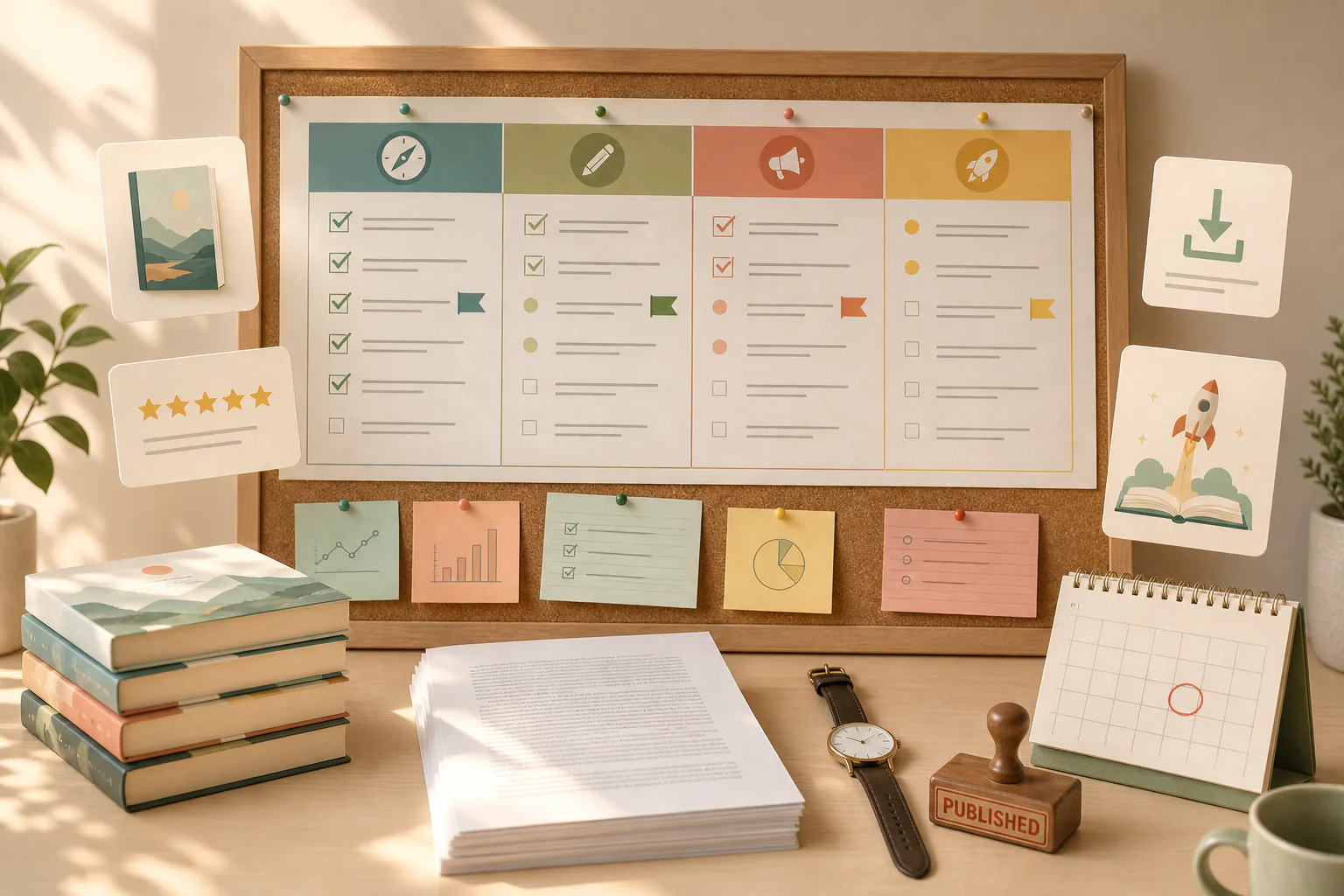
Here's how it works: 81 steps across 7 phases, in chronological order. Click any item to mark it complete. Your progress saves in your browser, so you can work through it over weeks and pick up where you left off. It's drawn from real self-published author launch reports, not from publisher templates.
👇 Or take it with you to go (free, no email required) 👇
The PDF is the one-page quick-reference version. Print it, tape it above your desk, and use the interactive list below for the full detail.
0 / 81 complete
Most launch failures are validation failures wearing a costume. An hour of research here saves you a month of marketing a book nobody searched for.
A launch can't fix an unedited manuscript or a homemade-looking cover. This phase is where most "launch failures" are actually created.
Metadata is how Amazon's algorithm decides who sees your book. Authors who treat these fields as an afterthought are invisible by choice.
Everything in this phase exists to manufacture one thing: momentum in the first 72 hours. Reviews queued, emails scheduled, listing dialed.
The work is done. Today is verification, announcement, and watching the right numbers instead of refreshing the wrong ones.
Week one is a feedback loop: reviews start landing, the listing starts producing data, and small fixes still move the algorithm.
The launch spike fades; the system you tune now is what produces sales in month two and beyond.
The five levers that decide most launches
Eighty-one items is the complete picture. But if you're triaging, these five carry most of the weight.
The cover
The cover is the single largest conversion lever on a KDP listing. It has to read clearly at thumbnail size and signal genre conventions instantly.
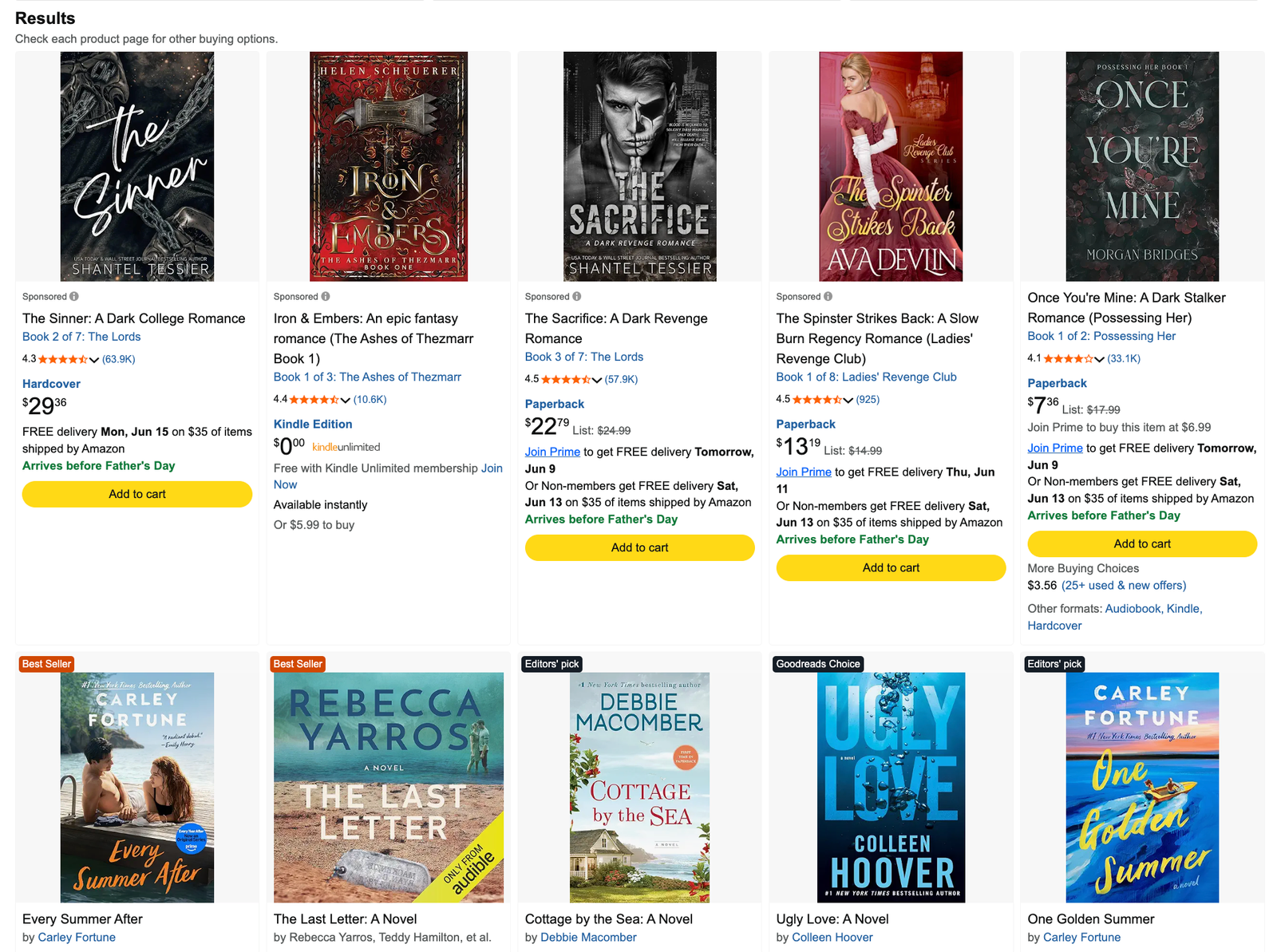
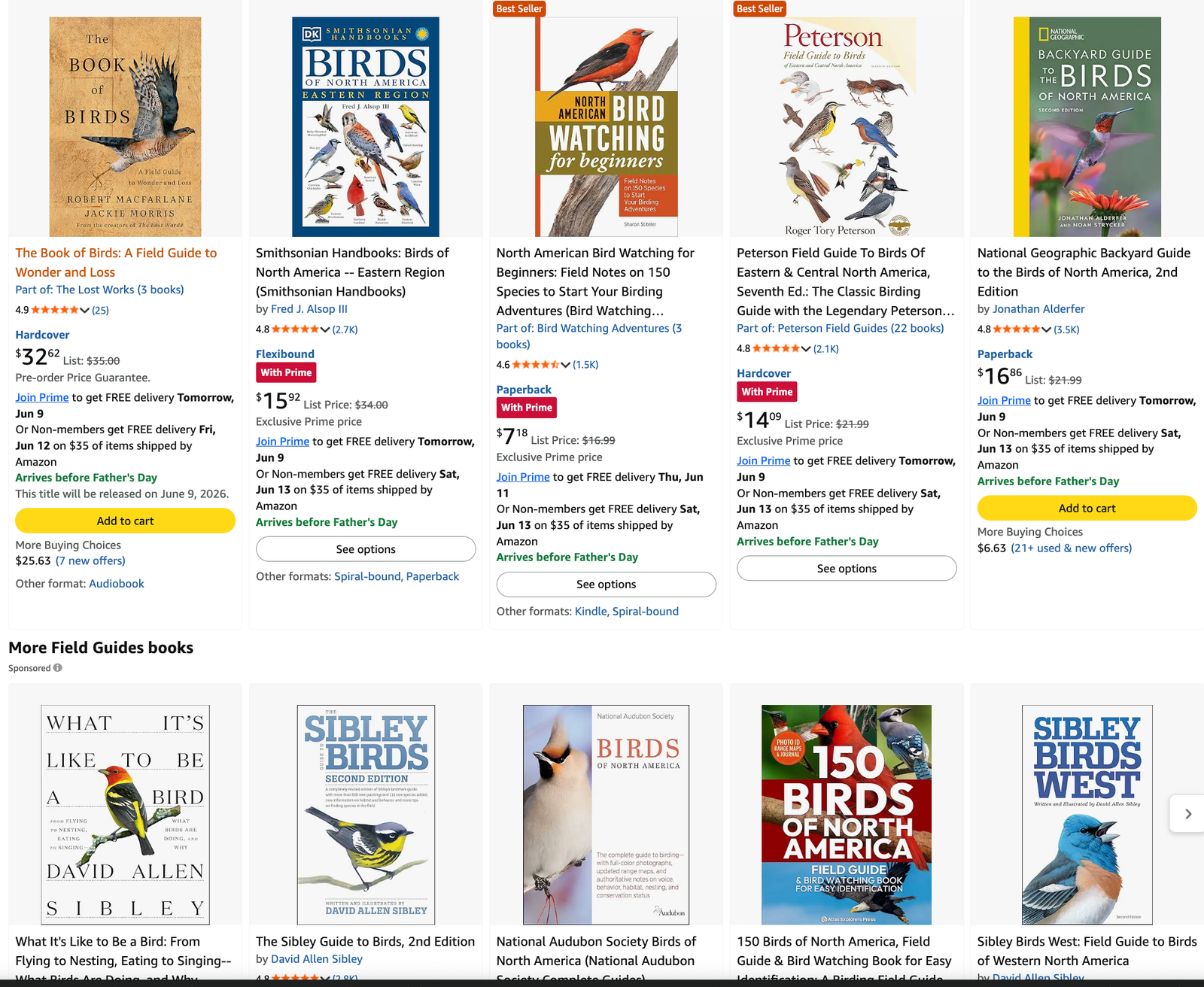
Romance covers look like romance covers because the genre's readers scan thumbnails fast and only stop on covers that signal "this is what I want." A non-fiction reference book carries a different set of visual conventions that communicate authority and usefulness before a single word is read.
Pro Tip: While you can use an AI image generator to create a cover image, the output is not copyrightable.
The blurb
Write it after the cover is locked; the two need to match in tone. A literary cover with a cozy blurb fails. A thriller cover with a romance blurb fails.
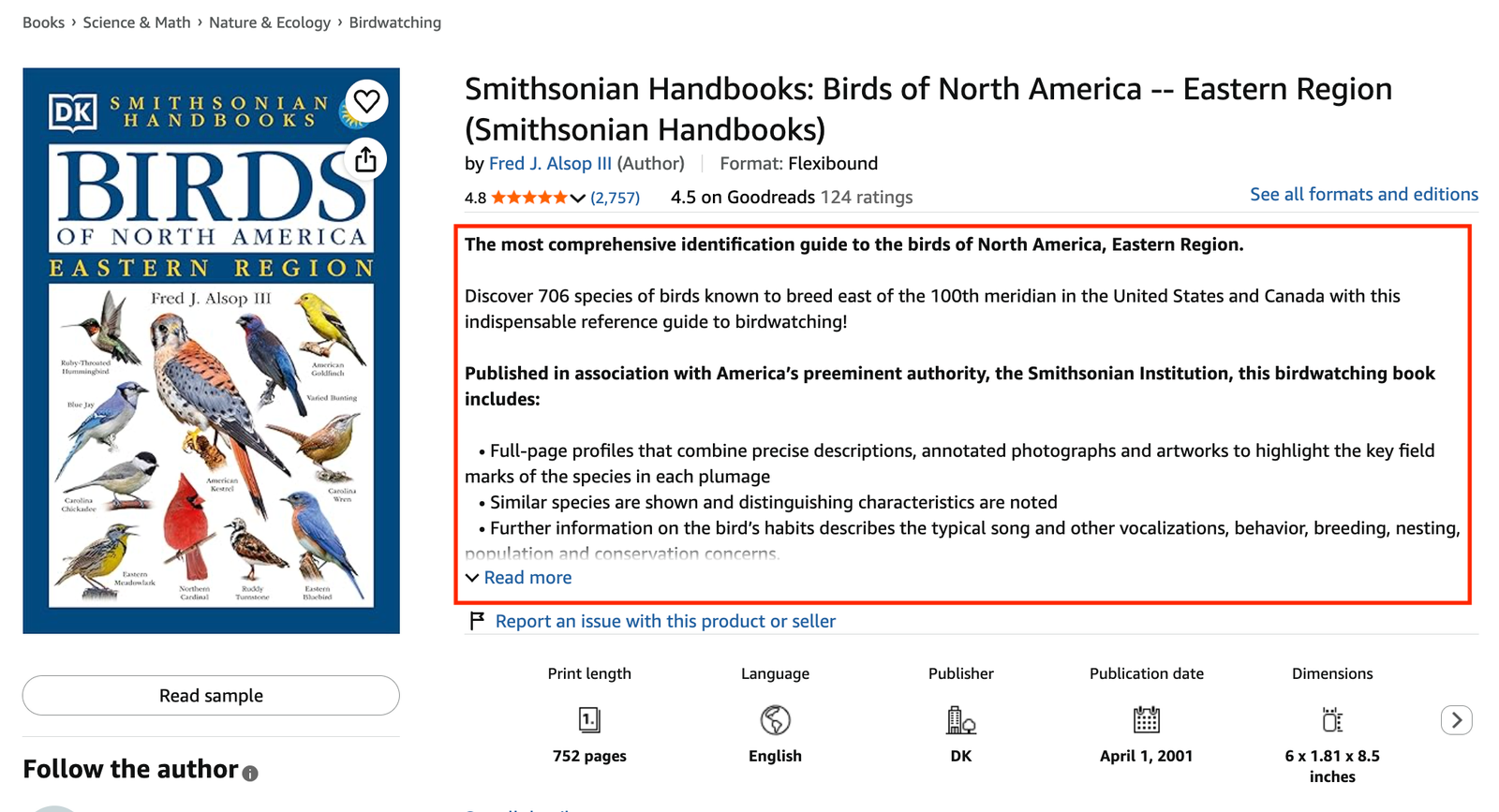
Hook in sentence one, escalating stakes, genre payoff at the close. And mind what's visible above the "Read more" fold:
Categories and keywords
Most authors pick categories by browsing the Amazon "Books" tree manually, which surfaces maybe 5% of the categories a book could actually compete in. Scrivy's Category Finder runs against the full Amazon category tree and surfaces every category your book genuinely fits, ranked by traffic and competition. You can test it completely free.
Keywords follow the same logic: long-tail phrases that match how your readers actually search, reviewed and rotated after launch instead of set once and forgotten. Amazon KDP's own metadata guidelines are worth a read before you fill a single field.
Reviews in week one
Reviews lag sales by 2 to 4 weeks unless ARC readers are queued before launch. A launch with zero reviews on day 7 won't get algorithmic discovery on day 8.
Line up the readers two weeks out; everything else in week one gets easier. If you don't have the time to build the list by hand, Scrivy's ARC service puts your book in front of real readers who review independently and honestly.
The newsletter
The launch ends. The list doesn't.
Every item in this checklist that touches your newsletter is compounding work: the back-matter signup page, the pre-launch sequence, the buyer segment. It's also the strongest predictor of how launch number two goes. Beehiiv, Kit, and Mailchimp all work; pick one and start.
Common launch mistakes (and how to recover)
Launching with no ARC list. Reviews lag sales by 2 to 4 weeks without one. Recovery: start ARC outreach immediately anyway; reviews in week three still lift conversion for the months that follow. Pair the push with a promo-newsletter feature so new traffic meets the reviews as they land.
Choosing categories by traffic instead of fit. A top-50,000 rank in a huge category is invisible; a top-1,000 rank in a right-sized one triggers discovery. Recovery: request a category change through KDP support. No re-publish needed, and rankings respond within days.
Skipping A+ Content. It's free conversion lift, and most self-published authors skip it because the interface is awkward. Recovery: build the basic 3-module layout this week (KDP, then Marketing, then A+ Content). It applies to your listing within days and works retroactively on every visitor after that.
Running ads before the listing is dialed in. Paying to send traffic to a weak blurb or wrong categories converts your ad budget into Amazon's data. Recovery: pause, fix the listing using the clicks-versus-sales diagnosis from Phase 6, then relaunch ads against the corrected page.
Writing for an audience you never validated. The hardest one to hear: if the niche research in Phase 1 never happened, marketing can't fix it. Recovery: reposition rather than republish. Test new categories, rewrite the blurb for the readers who are buying (your reviews will tell you who they are), and carry the validation lesson into book two.
Treating the launch as a one-time event. The spike always fades; authors who expected it to last quit in month two. Recovery: shift from launch mode to system mode. Ads tuned at day 10, keywords rotated monthly, newsletter growing, book two underway by day 21.
FAQ
How long does KDP take to approve a book for publish?
Most submissions clear review within 24 hours, though approval can take up to 72 hours during high-volume periods. The listing typically goes live 4 to 12 hours after approval.
How many ARC readers should I line up?
The standard target is 15 to 30 ARC readers for a debut launch. Roughly half will actually review within the first 14 days, so a 20-reader ARC list typically produces 8 to 12 launch reviews.
Should my debut launch with a preorder?
Usually not. A preorder spreads sales across weeks, which dilutes the day-one velocity spike that drives algorithmic discovery. Preorders earn their keep once you have a list eager to buy on announcement; debuts launch direct.
When should I run Amazon Ads?
Start on launch day. Budget $20 to $50 per day for the first 30 days (Amazon rarely spends the full amount). Don't optimize before day 10; after day 10, cut keywords with high spend and zero sales, and expand the keywords producing.
Can I change my categories and keywords after launch?
Yes, both. KDP support can place your book in up to 10 categories on request, without re-publishing. Backend keywords you can edit yourself anytime; rotate the fields that aren't producing rank movement once you have a few weeks of data.
How many of my book's keywords should I track?
At minimum, your primary keyword and the 6 to 10 phrases in your backend fields. Daily movement on those tells you whether your metadata matches how readers actually search, and which fields to rotate at day 30.